Frequently Asked Questions
What is the benefit of having battery storage on the grid?
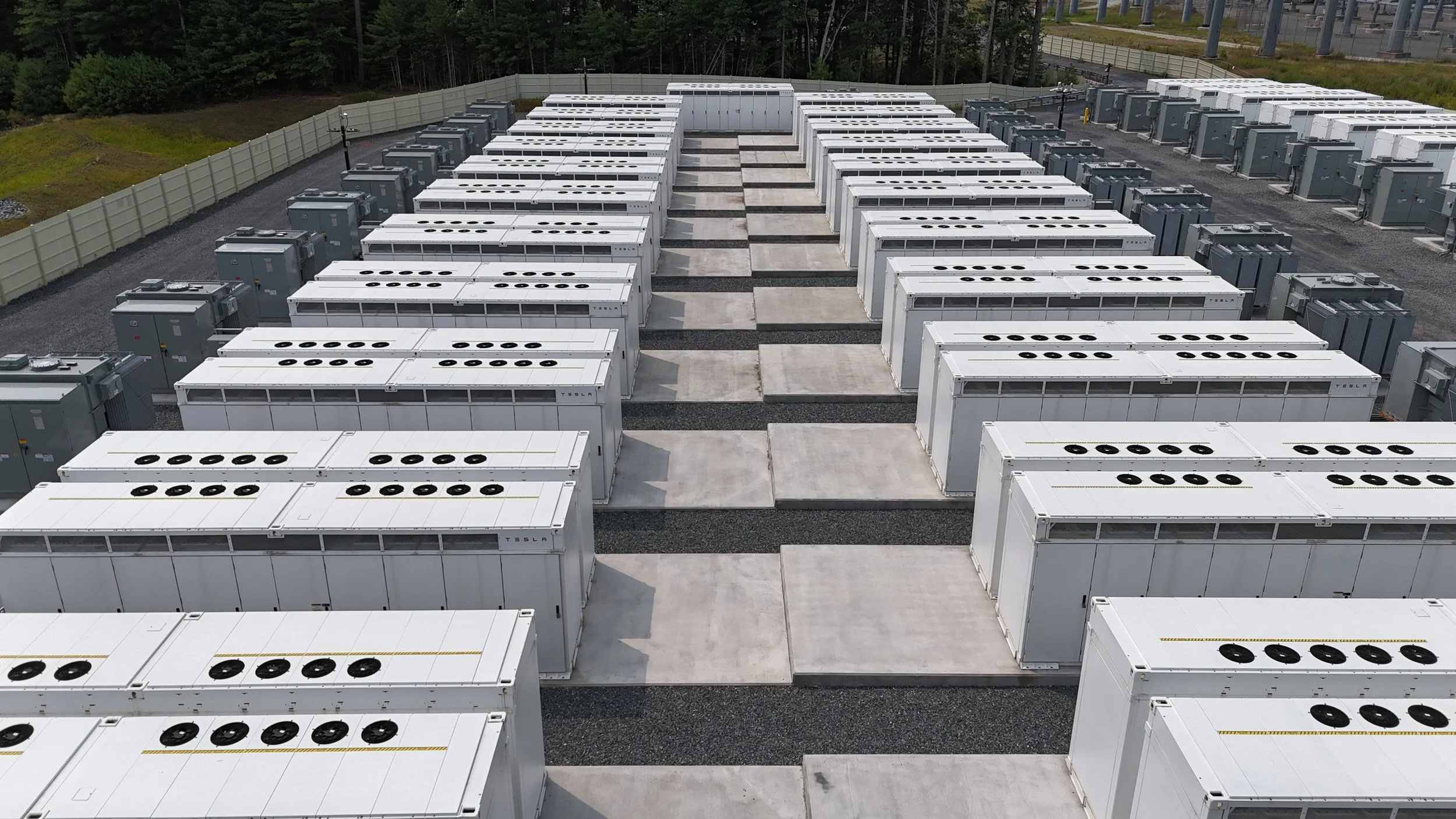
Large scale battery storage systems like the Pulaski facility benefit the local electrical grid by providing reliability and flexibility from a non-emitting dispatchable resource. Moving toward 100% renewable energy will require balancing resources like the Pulaski facility that can quickly adapt to evolving grid conditions.
How did you choose the project location for Pulaski Energy Storage?
A variety of siting criteria were considered, including but not limited to grid compatibility, land use designations, cultural resources, topography, and proximity to critical utility infrastructure. Pulaski’s location met the optimal criteria across all categories.
Does Pulaski Energy Storage have a partner in the development of the facility?
The Pulaski facility is being developed in partnership with Plus Power, North America’s leading standalone energy storage platform. Plus Power develops, owns, and operates utility-scale energy storage facilities that enable a more efficient and reliable electrical grid to support residents and businesses. The Plus Power team, led by seasoned executives from the renewables and energy storage industry, is accelerating the deployment of transmission-connected battery storage throughout the United States.
What prompted the development of Pulaski?
The Pulaski facility is ideally situated to provide energy, capacity, and grid services in a region with a constrained power grid and growing local energy demand.
How long will the batteries last? What will happen to them after that?
The Pulaski facility will have a lifespan of at least 20 years. Pulaski Energy Storage will be augmented within the existing project layout with supplemental battery storage units to maintain expected performance. At the end of the project’s operating life, the battery system will be removed, and the land will be restored to pre-existing conditions. Because the battery components contain valuable minerals and technology, the components will be used for recycling and salvage value.
What considerations are being taken to ensure the safety of the project?
Safety is paramount to the Pulaski facility and to Plus Power. Several measures are being taken to ensure reliable and safe operation of the system. The Pulaski facility will utilize best-in-class technology, building off decades of global use and application. The battery and system will be held to the National Fire Protection Association 855 national standard and other related grid infrastructure codes and standards. In addition, the system will utilize a variety of thermal management systems, as well as remote monitoring strategies, to maintain system stability. The local fire departments will be fully engaged in design discussions through the process of creating a dedicated Emergency Response Plan for the project, and the Plus Power team will ensure there is significant collaboration and training with first responders to guarantee proper techniques are used in the unlikely event of an emergency.
Will Pulaski be able to withstand a natural disaster?
The facility will be designed per American Society for Testing and Materials standards to ensure foundations and infrastructure are designed in accordance with local requirements.
Will the Pulaski facility impact my views?
The facility is ideally situated in an area already developed with existing public utility uses, away from residential areas. The parcel where Pulaski is located is industrially zoned. As such, the impact on local views will be very limited.